mazda rx8 powertrain warranty: practical comparison and guidance
What "powertrain" usually covers on the RX-8
The RX-8's rotary is different, but the core idea of a powertrain warranty stays similar: engine internals, transmission, and the bits that turn power into motion. On a rotary, that typically means the rotor housings, rotors, eccentric shaft, bearings, oil pump (engine-driven), and internal seals, plus the manual/automatic gearbox, driveshaft, and differential. Items like spark plugs, belts, hoses, mounts, and clutches (as wear items) are usually excluded, even though a failure there can feel "engine-related." Read definitions carefully; the word "internal" matters.
Comparing coverage paths (factory, CPO, and service contracts)
Factory powertrain (original): Time-and-mileage limited and long expired on every RX-8 now. Still useful as a benchmark for what counts as "powertrain." Regional extensions and special policies existed in some years; verify by VIN and archived dealer bulletins.
CPO legacy coverage: If your car once passed through Mazda's CPO program, any remaining coverage has almost certainly lapsed by now, but the paperwork shows how Mazda defined covered components on rotaries. That wording helps you negotiate with any current provider.
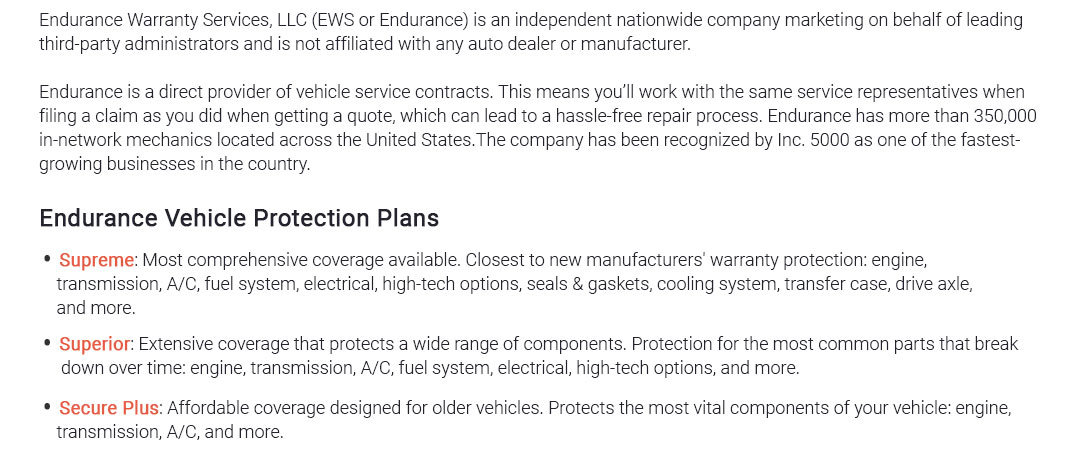
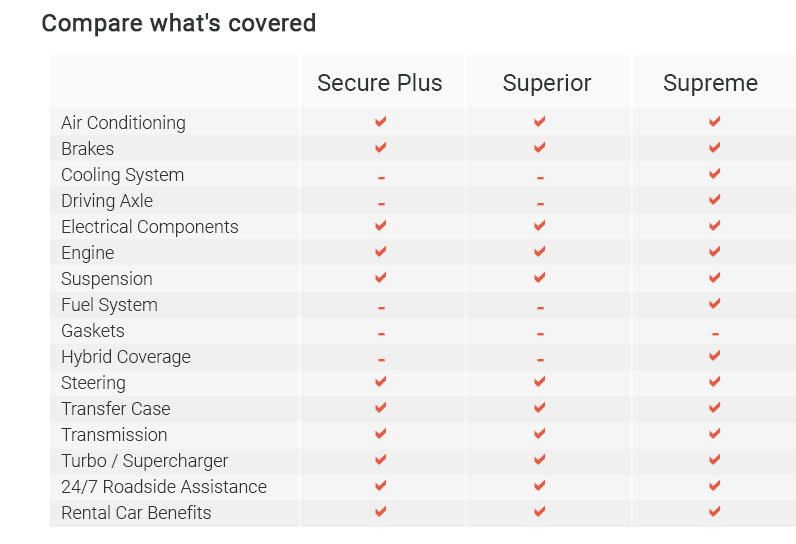
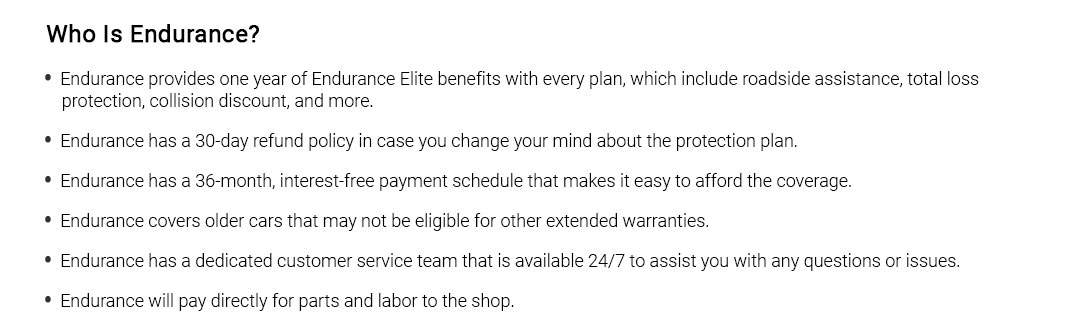
Third-party service contracts: Often marketed as "powertrain," "enhanced powertrain," or "exclusionary." The name is less important than the definitions and exclusions. On rotaries, insist on explicit mention of rotor housings, rotors, eccentric shaft, and internal seals. If it's silent, ask for an addendum in writing.
Goodwill or policy adjustments: Dealers sometimes request post-warranty assistance from Mazda or a provider when there's a clear pattern of failure and good maintenance history. Not guaranteed, but it's an offer you can invite by presenting clean records.
Side-by-side: what to look for in the fine print
Covered components list: Rotaries need specificity. "Engine block and internally lubricated parts" is too vague unless the contract names the rotary components.
Wear and tear language: Many contracts exclude wear, yet rotary seals blur the line. Seek wording that covers failure from normal use, not just sudden breakage.
Maintenance requirements: Oil type/intervals, warm-up habits, and flood-clear procedures may be referenced. Keep receipts and a simple log.
Diagnostics approval: Compression testing on a rotary needs a proper tool and procedure. Confirm it's covered as part of claim diagnosis, not billed to you.
Catalyst and emissions overlap: Some providers exclude cat failures even if engine issues contribute. Clarify before you sign.
A brief, real-world moment
At 62,000 miles on a 2005, I paused - should I push for goodwill or pay out of pocket? Low hot-compression numbers were borderline. I brought consistent oil-change logs and a note from a shop that used a rotary-specific compression test. The service advisor submitted everything; the administrator offered partial coverage on the engine tear-down and a used verified gearbox as a make-good. Not perfect, but enough to keep the car on the road.
Practical steps to verify or secure coverage today
Document the baseline: Hot compression test with a rotary-capable gauge, OBD codes, misfire counts, and a brief description of symptoms (flooding behavior, rough idle, hot restart).
Collect maintenance proof: Oil intervals, ignition components, plug heat range, and any decarbon services. Photos of work help.
Call for definitions: Ask the provider to email the exact list of rotary components covered under "engine." Request an addendum if anything is ambiguous.
Confirm labor times: Engine R&R on an RX-8 has specific book hours. Ensure your contract pays standard times and OEM or equivalent parts.
Ask about diagnostic allowances: Written approval for compression testing and tear-down prevents surprise bills.
Escalate politely: If denied, request the clause used to deny and offer additional evidence (photos, shop notes). Ask the dealer to submit a goodwill request if appropriate.
Common scenarios and how coverage typically reacts
Hard hot starts, low compression: Often considered internal engine failure if seals/housings are named; otherwise contested as "wear." Your test results decide the outcome.
Flooding after short trips: Usually not covered unless it leads to internal damage. Document repeated events and related component failures.
Gearbox notchiness or synchro grind: Many powertrain plans cover internal transmission parts; clutch discs and hydraulics are usually excluded.
Cat converter damage from misfire/oil: Emissions coverage varies; some contracts exclude catalytic converters. Clarify up front.
Negotiation angles that tend to work
VIN-specific history: Ask the dealer to pull historical campaigns or policy notes tied to your VIN. Even if out of time, it informs goodwill requests.
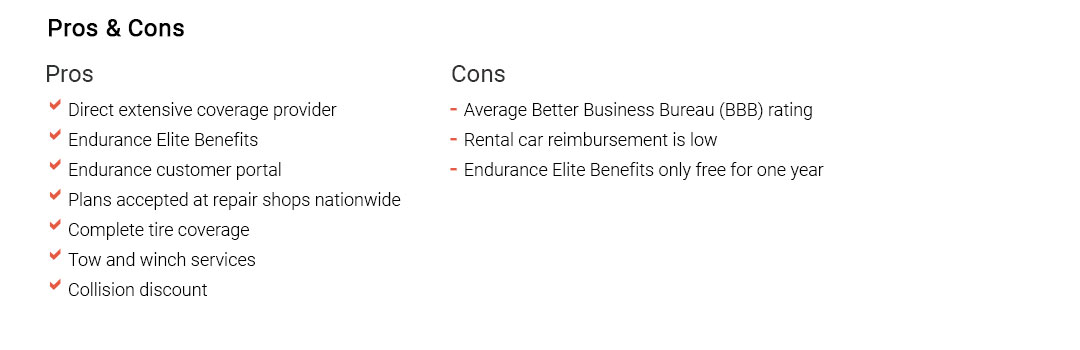
Provider competition: If you're shopping a service contract, ask two administrators to quote. Share component-coverage differences; they sometimes add rotary-specific language to win the deal.
Shop choice: Contracts may restrict facilities. Favor shops with rotary compression tools and RX-8 experience; better diagnostics strengthen claims.
Quick decision guide
If you can't get rotor housings, rotors, eccentric shaft, and seals named in writing, the "powertrain" label won't help much on a rotary.
If diagnostics aren't covered, budget for the compression test and initial tear-down before authorizations happen.
If maintenance proof is thin, request a conditional inspection and ask the advisor whether a goodwill offer is realistic before committing to big labor.
What you can reasonably ask for
A written component list that explicitly covers rotary internals.
Diagnostic coverage for rotary-specific compression testing.
OEM or equivalent parts and book labor times.
Goodwill consideration when evidence shows consistent maintenance and a known failure pattern.
The RX-8 rewards diligence. With the right definitions, clear records, and a calm ask for the right offers, a "powertrain warranty" can still be meaningful - just make sure it speaks the rotary's language before you rely on it.
https://www.bergstrommazdagreenbay.com/warranty
The Powertrain Limited Warranty period for defects in materials and workmanship in the Powertrain components supplied by Mazda* is 60 months or 60,000 miles, ...